read time: 4 min
In-person meetings ask a lot of people. They pull attendees away from day-to-day work and personal responsibilities, require coordination across teams and schedules, and often involve travel.
The difference between a meeting people tolerate and one they value often comes down to how intentionally it was designed.
Tips to improve meeting attendee satisfaction
Improving meeting attendee satisfaction starts long before the first session begins. It’s shaped by how the experience is designed from start to finish.

Below are practical ways to shape the meeting experience so attendees feel their time was respected and well spent.
1. Communicate clearly before the meeting starts
Attendees feel most at ease when they know what to expect and understand why they’re there. Thoughtful pre-meeting communication helps people arrive prepared, confident, and ready to contribute — instead of spending the first part of the meeting playing catch up.
How to do it:
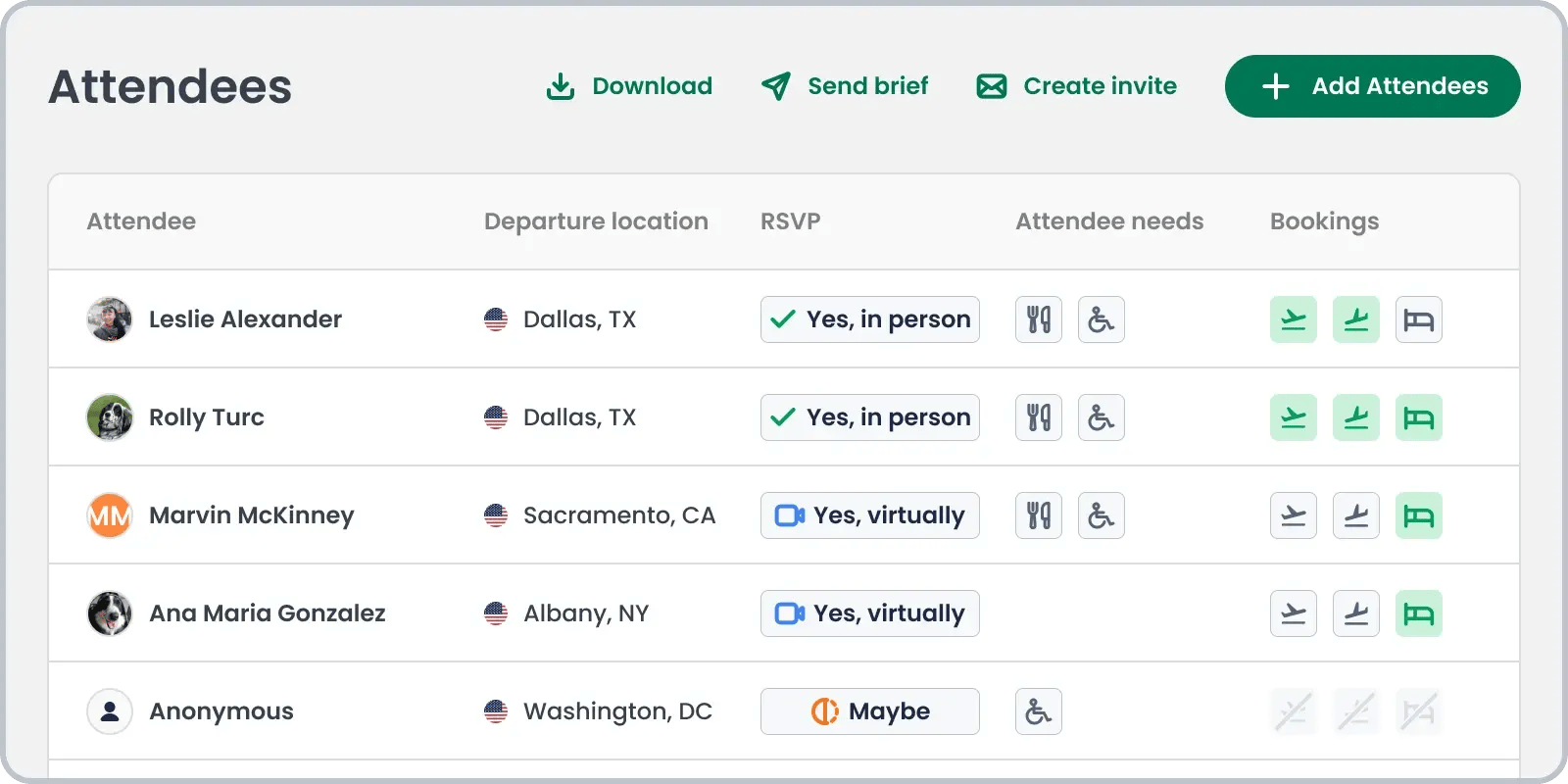
- Share a concise meeting brief covering objectives, logistics, and expectations
- Clarify roles, timing, and post-meeting steps ahead of time
The benefit: When attendees feel informed from the start, you build trust and reduce confusion before anyone steps foot in the room.
2. Support a balanced agenda
A well-structured agenda signals that attendee contributions matter and that the meeting was designed with intention, not created at the last minute. While most meeting planners aren’t writing the agenda, they do play a critical role in how it’s structured, paced, and experienced.
How to do it:
- Confirm clear objectives with the content owner so the calendar invite reflects the session’s true purpose
- Flag unrealistic timing before it becomes a problem (for example, scheduling a deep-dive discussion right before attendees need to leave for airport transfers).
- Build in breaks, transitions, and buffer time to protect energy and accessibility
- Send pre-reads early and to the appropriate attendees so they arrive prepared
The benefit: A strong agenda keeps the meeting focused and helps attendees leave with shared clarity on decisions and next steps.
3. Personalize details for attendees
Attention to personal and professional details signals that attendees are seen as people, not just names on a list. That sense of consideration matters especially when people are stepping away from their routines.
How to do it:
- Collect attendee preferences early, including dietary needs, accessibility requirements, and travel considerations
- Tailor communication to each person based on their role and level of involvement
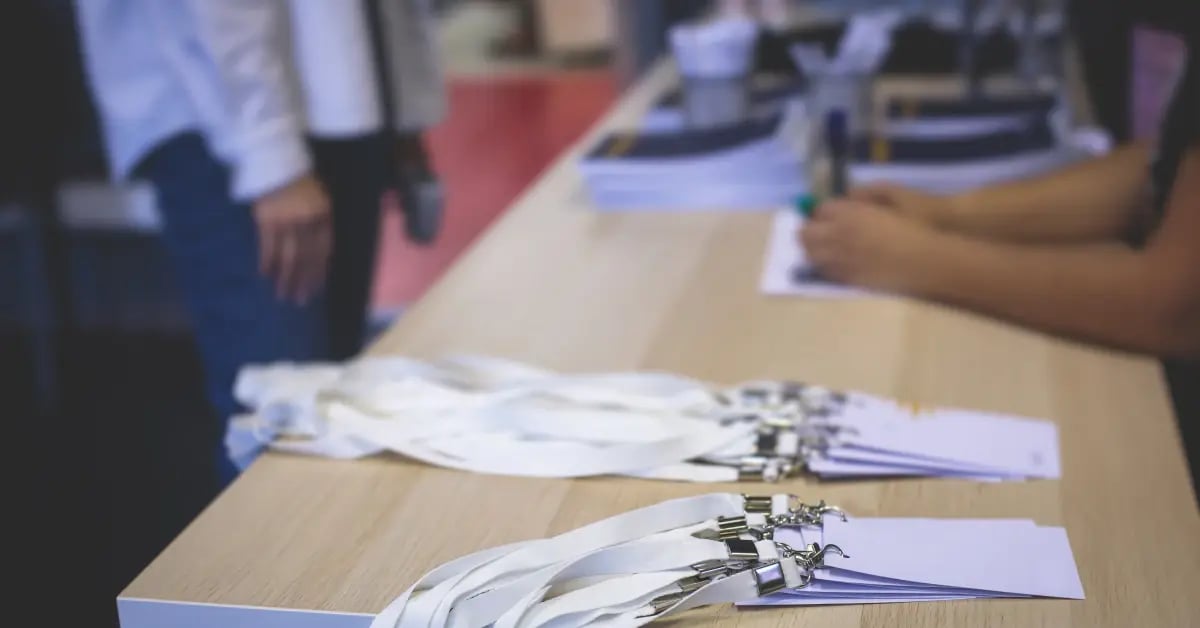
- Think beyond the essentials — small, intentional touches like clear arrival instructions, name cards, right-sized swag, or a thoughtful welcome go a long way toward making people feel genuinely included
The benefit: Meeting personalization shows consideration and helps set a more welcoming tone before the meeting begins.
4. Build a supportive on-site environment
When teams gather in person, the environment should enable focus, comfort, and connection. Location, hotel logistics, and room setup all influence how present and engaged people can be.
How to do it:
- Choose a destination and hotel that reduce friction with reasonable travel times, reliable transportation, and walkable access to the meeting space or team activities
- Make sure the room layout fits the meeting’s purpose and pay attention to proximity, noise levels, and lighting
- Keep energy consistent throughout the day with accessible food options and spaces that encourage informal connection
The benefit: When the physical environment removes distractions instead of creating them, attendees can focus on the work itself.
5. Follow up after the meeting ends
The meeting doesn’t end when people leave the room. What happens after determines whether decisions stick and actions move forward. Clear follow-up reinforces accountability and helps ensure the time spent together delivers real results.
How to do it:
- Send a concise recap that highlights decisions made, not a full transcript
- Clarify what is final versus what is still under review
- Share updates in the format attendees prefer (summary email, task tracker, shared doc)
The benefit: Clear and timely post-meeting communication keeps momentum intact and prevents rework, confusion, or duplicated effort.
Delivering a successful meeting attendee experience
In-person meetings work best when they’re planned with people in mind. Not every attendee experiences meetings the same way, and no single approach will resonate with everyone. These planning decisions — from communication to travel logistics — help ensure the time people spend together is worth the effort.
Plan better in-person meetings that attendees appreciate with TROOP